Introduction
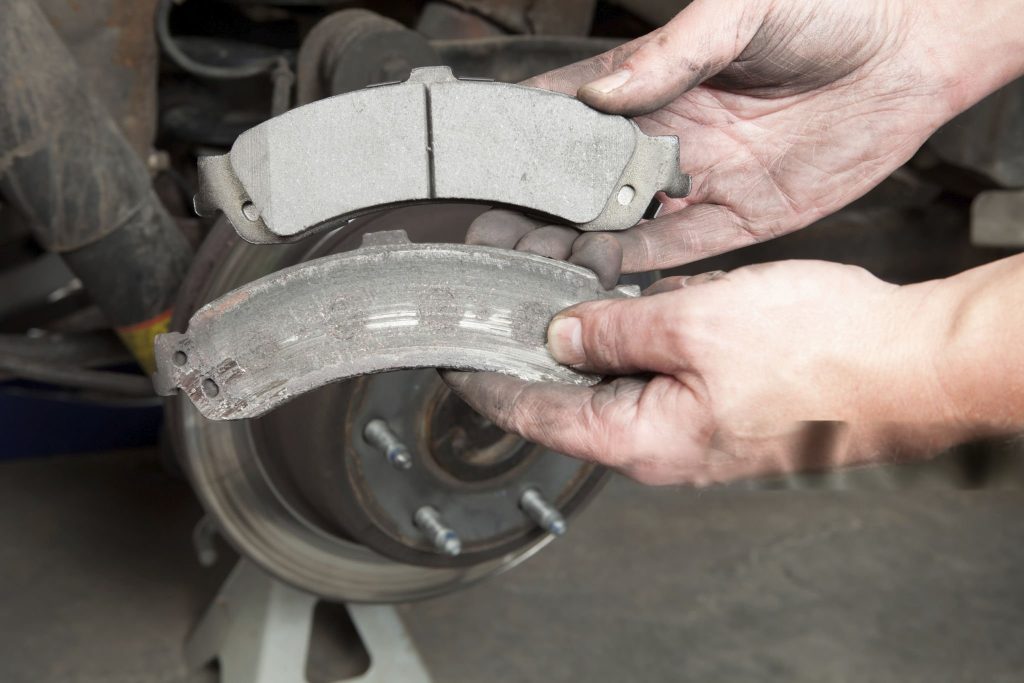
When it comes to maintaining your vehicle’s braking system, choosing the right brake pads is essential for safety and performance. The two primary types of brake pads are ceramic and semi-metallic. Each type has its own set of advantages and disadvantages, making them suitable for different driving conditions and preferences. This article will delve into the key differences between ceramic brake pads and semi-metallic brake pads to help you determine which is best for your vehicle.
What Are Brake Pads?
Brake pads are a crucial component of your vehicle’s braking system. They apply pressure and create friction on the brake rotors, allowing the vehicle to slow down or stop. The material used in brake pads significantly influences their performance, noise level, and longevity.
Ceramic Brake Pads
Material and Composition Ceramic Brake linings are made from a dense ceramic material mixed with fine copper fibers. This composition allows for efficient heat dissipation and consistent performance under various conditions.
- Benefits
- Quiet Operation: Ceramic brake pad are known for their quiet performance, producing less noise compared to other types of brake pads.
- Low Dust Production: These pads generate less brake dust, keeping your wheels cleaner and reducing maintenance.
- Longevity: Ceramic brake pads tend to last longer due to their durable material composition, making them a cost-effective choice over time.
- Consistent Performance: They perform well under a wide range of temperatures and driving conditions, making them ideal for everyday driving.
- Drawbacks
- Higher Cost: Ceramic Brake linings are generally more expensive than semi-metallic options.
- Not Ideal for Extreme Conditions: While they are great for daily driving, ceramic pad may not perform as well in extreme conditions such as racing or heavy towing.

Semi-Metallic Brake Pads
Material and Composition Semi-metallic brake pads are composed of metal shavings, such as steel, iron, and copper, combined with a binding material. This gives them a robust structure capable of withstanding high levels of heat.
- Benefits
- Superior Heat Dissipation: Semi-metallic brake pad can handle higher temperatures, making them suitable for high-performance applications.
- Durability: They are very durable and provide excellent braking power, especially in extreme driving conditions.
- Cost-Effective: Generally, semi-metallic pads are less expensive than ceramic pads, making them a popular choice for performance vehicles.
- Drawbacks
- Noise: Semi-metallic pads tend to be noisier, producing more squealing and grinding sounds during operation.
- More Dust: These pad generate more brake dust, which can dirty your wheels and require more frequent cleaning.
- Rotor Wear: The harder material can cause more wear on the brake rotors over time, potentially leading to more frequent rotor replacements.

Key Factors to Consider
- Driving Habits
- For daily commuting and light driving, ceramic brake pad are typically sufficient. They provide a balance of performance, noise reduction, and longevity.
- For aggressive driving, towing, or high-performance needs, consider semi-metallic brake pads for their superior heat tolerance and stopping power.
- Vehicle Type
- Light vehicles and sedans benefit from the quiet and clean operation of ceramic brake pad.
- Trucks, SUVs, and performance vehicles may require the durability and heat resistance of semi-metallic brake pad.
- Noise and Dust
- If you prioritize a quiet ride and less brake dust, ceramic brake pad are ideal.
- If performance and heat management are more important, semi-metallic brake pad are preferable.
- Cost
- While ceramic brake pad have a higher upfront cost, they offer long-term savings through durability and reduced maintenance.
- Semi-metallic pads offer a more budget-friendly initial option but may require more frequent replacement.

Conclusion
Choosing between ceramic and semi-metallic depends on your driving needs, vehicle type, and budget. Ceramic offer a quieter, cleaner, and longer-lasting option for everyday driving. In contrast, semi-metallic provide superior heat resistance and performance for more demanding driving conditions. By considering the benefits and drawbacks of each type, you can select the best brake pad to ensure your vehicle’s optimal performance and safety.
If you are interested in exhaust systems, you can click here.