Exhaust pipe clamps are vital components in various piping systems, ensuring stability, sealing, and longevity. Their multifunctionality, precision, strong sealing properties, corrosion resistance, and ease of installation make them indispensable across different industries. This article explores the special uses, functions, types, installation, common issues, and maintenance of exhaust pipe clamps.
Special Uses of Exhaust Pipe Clamps
- Connecting and Securing Complex Piping Systems:
In intricate piping systems, exhaust pipe clamps provide the flexibility needed to connect and secure multiple pipes, ensuring the system’s stability and sealing. Their resistance to corrosion and rust makes them essential in the chemical, food, and pharmaceutical industries. These sectors often deal with high pressure, extreme temperatures, or corrosive substances, and exhaust pipe clamps rise to these challenges effectively.
- Precision Equipment Pipe Connections:
In precision equipment like machine tools and aircraft, pipe connections demand high accuracy and stability. Exhaust pipe clamps, with their precise dimensions and strong clamping force, ensure pipes remain secure and leak-free during equipment operation, guaranteeing safety and functionality.
- Solutions for Connecting Small Diameter Soft and Hard Pipes:
Exhaust pipe clamps, designed with open inner and outer ring structures and tightened with bolts, effectively address dead spots and leaks in small diameter soft and hard pipe connections. This design is especially useful in the automotive, petrochemical, and pharmaceutical industries, where high sealing and stability are crucial.
- High-Temperature and High-Humidity Applications:
In environments with high humidity, temperatures, oil, and severe corrosion, exhaust pipe clamps exhibit excellent rust and corrosion resistance. They can withstand extreme conditions, ensuring the normal operation of piping systems. For example, in the petrochemical industry, where pipes endure high temperatures, pressures, and corrosive substances, exhaust pipe clamps perform reliably.
- Adjusting Pipe Angles and Directions:
The design of exhaust pipe clamps allows for adjustments in pipe angles and directions, adding flexibility to pipe connections. This feature is particularly beneficial when changing pipe routes or adapting to different installation environments. For instance, during internal or external building pipe installations, adjustments may be necessary, and exhaust pipe clamps facilitate these changes seamlessly.
- Ease of Disassembly and Installation:
Exhaust pipe clamps are relatively easy to disassemble and install, reducing labor intensity. This feature is critical for regular maintenance or pipe system replacements, allowing maintenance personnel to quickly remove and install clamps, saving time and costs.
Functions and Importance
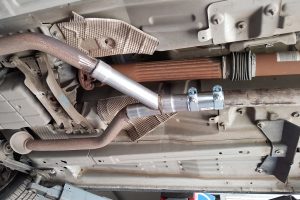
- Connection and Stability: Exhaust pipe clamps securely connect different parts of the exhaust system, maintaining its overall integrity and stability.
- Sealing Capability: These clamps prevent exhaust leaks by providing a tight seal, ensuring the system operates correctly.
- Protection of Exhaust Pipe: Proper installation and use of exhaust pipe clamps can extend the lifespan of the exhaust pipe by reducing damage from vibration, wear, or corrosion.
Types and Varieties
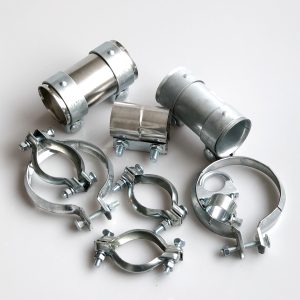
- Stainless Steel Clamps: Made from stainless steel, these clamps offer excellent corrosion resistance and high-temperature performance, making them widely used in automotive exhaust systems.
- Other Materials: Besides stainless steel, exhaust pipe clamps can also be made from galvanized iron, aluminum alloy, and other materials, chosen based on specific environmental conditions and requirements.
Installation and Usage
- Installation Steps: Typically, this involves placing the clamp around the exhaust pipe, adjusting its position, and securing it with bolts or clasps. The specific steps may vary depending on the vehicle model and clamp type.
- Precautions: Ensure the contact surface between the clamp and the exhaust pipe is clean and free of oil and debris to guarantee a good seal. Also, the tightening force should be moderate to avoid being too tight or too loose.
Common Issues and Solutions
- Leakage Problems: If an exhaust leak is detected, it may be due to improper clamp installation or poor sealing. Check the installation and reinstall or replace the clamp as necessary.
- Loosening Issues: Over time, clamps may loosen due to vibrations. Regularly check and retighten or replace the clamps to ensure a secure fit.
Maintenance and Care
- Regular Inspections: Periodically check the condition of the exhaust pipe clamps, including their tightness, sealing performance, and signs of corrosion.
- Timely Replacement: Replace any damaged or failing clamps promptly to ensure the exhaust system functions correctly.
Relevant Figures and Information
- Torque Specifications: Follow the manufacturer’s specified torque settings when installing exhaust pipe clamps to ensure proper sealing and stability. For example, the exhaust pipe clamp on a Mercedes B200 should be tightened to 30N.m between the pre-muffler pipe and the third muffler nut, and to 40N.m between the pre-exhaust pipe and the catalytic converter flange nut.
- Price Range: The cost of exhaust pipe clamps varies based on material, size, and brand, typically ranging from a few yuan to several dozen yuan.
Understanding the special uses, functions, types, installation, usage, common problems, and maintenance of exhaust pipe clamps can help you better maintain and use your vehicle’s exhaust system, ensuring its proper operation and emissions performance. Their versatility, precision, strong sealing properties, corrosion resistance, and ease of disassembly and installation make them indispensable in various fields, playing an irreplaceable role.